Heat-related illness — from mild heat cramps to life-threatening heatstroke — represents a spectrum of conditions resulting from inadequate thermoregulation in hot environments. Each year approximately 1,300 Americans die from heat-related illness, with thousands more requiring medical treatment. Climate change is increasing the frequency and severity of extreme heat events, making recognition and treatment of heat illness an increasingly important clinical competency. This guide explains how clinics recognize and manage heat-related illness.
Heat Exhaustion
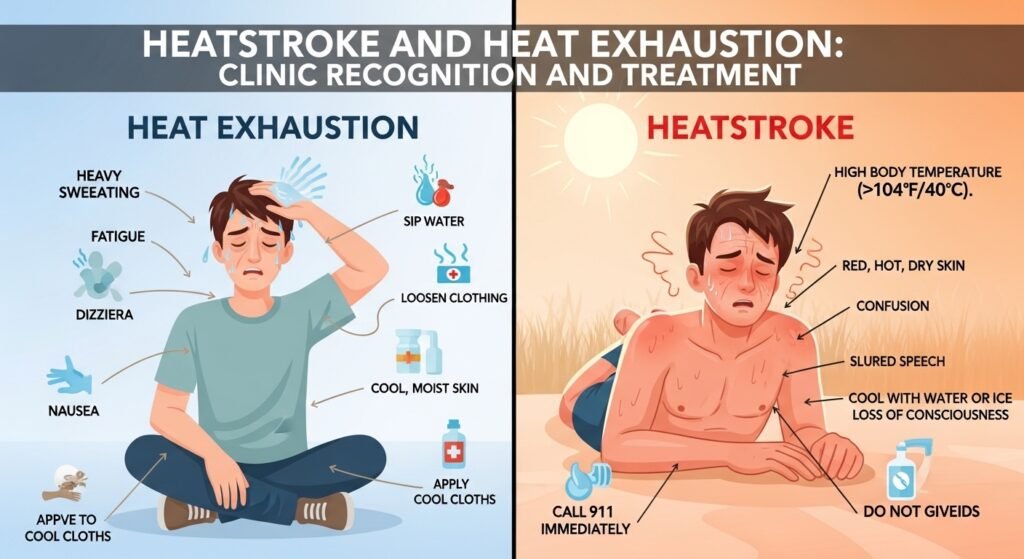
Heat exhaustion — the most common heat-related illness — occurs when the body loses significant water and electrolytes through sweating in hot conditions. Signs include heavy sweating, cold/clammy skin, weakness, dizziness, headache, nausea, and muscle cramps. The core body temperature is elevated but below 40°C (104°F), and the patient remains mentally alert. Treatment at a clinic involves moving to a cool environment, oral rehydration with cool fluids and electrolytes (or IV fluids when oral intake is insufficient), and removing excess clothing. Most cases resolve within minutes to hours with prompt cooling and rehydration.
Heatstroke: A Medical Emergency
Heatstroke — core temperature above 40°C (104°F) with central nervous system dysfunction (confusion, delirium, loss of consciousness, seizures) — is a life-threatening emergency. Classic heatstroke occurs in elderly patients during sustained heat waves. Exertional heatstroke occurs in athletes and military personnel during intense physical activity. Both require immediate aggressive cooling and emergency evaluation. Heatstroke causes multi-organ failure and death without rapid treatment. Cooling methods include ice water immersion (most effective for exertional heatstroke), ice packs to neck/axilla/groin, and cool misting with fanning.
High-Risk Populations
Elderly adults, very young children, individuals with chronic conditions, those taking anticholinergic, diuretic, or antihypertensive medications, and athletes and outdoor workers have elevated heat illness risk. Public health education, access to cooling centers, wellness checks during heat waves, and appropriate hydration and activity modification strategies prevent heat illness in these populations.
Conclusion
Heat exhaustion responds well to prompt cooling and hydration at a clinic. Heatstroke is a medical emergency requiring 911 — do not delay emergency transport by attempting to drive a confused, heat-stricken patient to a clinic. During extreme heat events, check on elderly neighbors, ensure children and pets are not left in vehicles, and watch for heat illness symptoms that progress from heat exhaustion to heatstroke.
FAQs – Heat-Related Illness
Q1. How do I cool down someone with heat exhaustion?
A: Move them to a cool, shaded, or air-conditioned environment. Have them lie down with legs elevated. Remove excess clothing. Apply cool, damp cloths to skin. Provide cool water or sports drinks if they are conscious and can swallow. Seek clinic evaluation for significant symptoms or failure to improve quickly.
Q2. Can heat illness occur on relatively mild days?
A: Yes. High humidity impairs sweat evaporation, reducing the cooling efficiency of sweating. On humid days with moderate temperatures, heat illness risk is higher than on dry days with higher temperatures. Wind, shade, acclimatization, and hydration all affect heat stress beyond just ambient temperature.
Q3. How much water should athletes drink during exercise in heat?
A: Approximately 400–800 mL (14–27 oz) per hour during exercise, depending on intensity and sweating rate. Electrolyte replacement (sports drinks or sodium supplementation) is important for exercise lasting more than 60–90 minutes in heat to prevent hyponatremia (low sodium from drinking excessive plain water).
Q4. Can you have heatstroke without a fever?
A: No — by definition, heatstroke requires elevated core temperature (>40°C/104°F). However, surface temperature measurements (oral, axillary, tympanic) may underestimate true core temperature. Rectal temperature is the gold standard for accurate core temperature measurement in suspected heatstroke.
Q5. Is heat exhaustion dangerous?
A: Heat exhaustion is a warning sign that the body is struggling to maintain temperature regulation. With prompt cooling and rehydration, most cases resolve without complication. Untreated or progressive heat exhaustion can develop into heatstroke — making prompt recognition and treatment important. Any altered mental status signals that heatstroke has developed and requires emergency response.