Learn why timely medical consultation is essential in preventive healthcare. Discover how early diagnosis, regular checkups, and prompt medical advice help prevent diseases and improve long-term health outcomes.
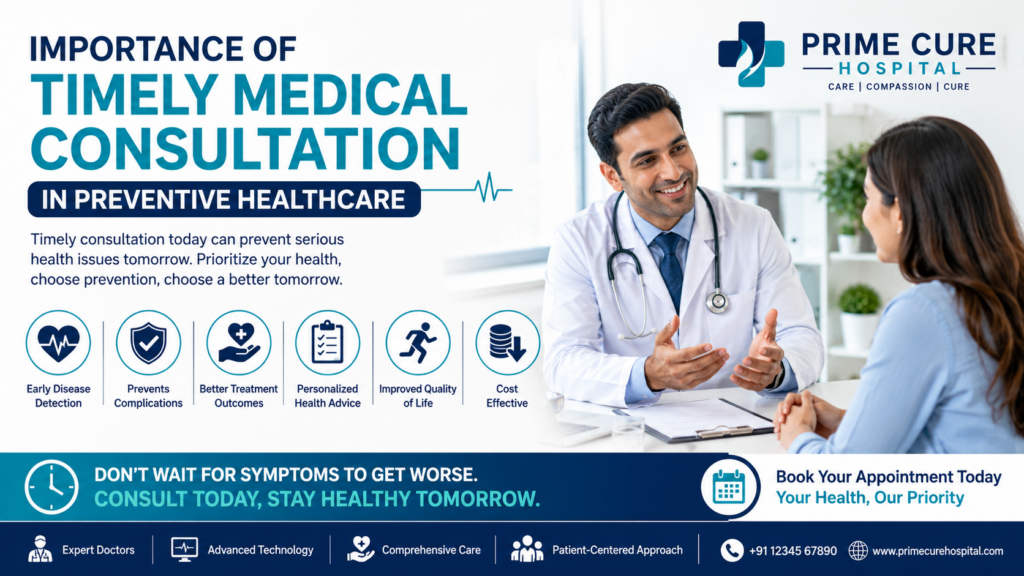
Importance of Timely Medical Consultation in Preventive Healthcare
Healthcare is no longer just about treating diseases after symptoms appear. Modern medicine strongly emphasizes prevention, early detection, and proactive care. Preventive healthcare aims to reduce the risk of illnesses, detect medical conditions at an early stage, and improve overall quality of life. One of the most important aspects of preventive healthcare is timely medical consultation.
Many people ignore early symptoms, delay doctor visits, or rely on self-diagnosis through online searches. While these actions may seem harmless, postponing medical advice can lead to worsening health conditions, increased treatment costs, and more complicated health issues in the future. Timely consultation with healthcare professionals plays a critical role in identifying potential risks before they become serious.
In this article, we will explore the importance of timely medical consultation in preventive healthcare, its benefits, challenges people face in seeking care, and practical ways to prioritize regular medical attention.
Understanding Preventive Healthcare
Preventive healthcare refers to medical practices and measures designed to prevent diseases rather than treating them after they develop. It includes regular health screenings, vaccinations, lifestyle guidance, and periodic medical examinations.
Preventive healthcare generally consists of three levels:
Primary Prevention
Primary prevention focuses on avoiding diseases before they occur. Examples include:
- Vaccinations
- Healthy eating habits
- Regular exercise
- Smoking cessation
- Stress management
Secondary Prevention
This stage involves early detection of diseases through routine screenings and timely medical consultations.
Examples include:
- Blood pressure checks
- Diabetes screening
- Cancer screenings
- Cholesterol testing
Tertiary Prevention
Tertiary prevention aims to manage existing health conditions and prevent complications.
Examples include:
- Rehabilitation programs
- Ongoing treatment plans
- Chronic disease management
Timely medical consultation contributes significantly to all three stages of prevention.
Why Timely Medical Consultation Matters
Medical consultation at the right time can often be the difference between a manageable condition and a severe health issue. Early interaction with healthcare professionals allows patients to receive guidance, diagnostic evaluations, and treatment recommendations before symptoms become more serious.
Early Detection Saves Lives
Many serious diseases develop silently without noticeable symptoms in the early stages.
Examples include:
- High blood pressure
- Diabetes
- Heart disease
- Certain cancers
- Kidney disorders
Regular consultations and routine checkups can identify warning signs before a disease progresses. Early diagnosis often results in better treatment outcomes and increased survival rates.
For instance, early-stage breast cancer or colorectal cancer has significantly higher treatment success rates than advanced-stage disease.
Reduces Healthcare Costs
Ignoring symptoms or delaying treatment often results in more expensive medical interventions later.
When diseases are detected early:
- Treatment is often simpler
- Hospitalization may be avoided
- Fewer medications may be required
- Long-term complications can be prevented
Preventive healthcare reduces the financial burden on individuals and healthcare systems alike.
Prevents Disease Progression
Many chronic illnesses gradually worsen over time if left unmanaged.
Conditions such as:
- Hypertension
- Asthma
- Diabetes
- Arthritis
can become more severe when patients delay seeking medical guidance.
Timely medical consultation allows healthcare providers to:
- Monitor symptoms
- Adjust treatment plans
- Recommend lifestyle changes
- Prevent complications
Early intervention can slow or stop disease progression.
Supports Personalized Health Guidance
Every individual has unique health needs based on age, lifestyle, genetics, family history, and environmental factors.
Healthcare professionals provide personalized recommendations regarding:
Diet and nutrition
Doctors may suggest dietary changes based on:
- Weight goals
- Cholesterol levels
- Blood sugar status
- Nutritional deficiencies
Physical activity
Exercise plans can be tailored to individual needs and health conditions.
Mental health
Medical consultations also address emotional well-being, stress management, and psychological concerns.
Personalized guidance helps individuals make informed health decisions.
Improves Management of Chronic Diseases
Millions of people worldwide live with chronic conditions requiring ongoing care.
Examples include:
- Heart disease
- Diabetes
- Thyroid disorders
- Respiratory diseases
Regular medical consultations help healthcare providers:
- Track patient progress
- Monitor medications
- Detect complications
- Encourage treatment adherence
Consistent monitoring often leads to better long-term outcomes.
Reduces Risks Associated with Self-Diagnosis
The internet provides access to vast amounts of health information, but not all sources are reliable.
Many individuals attempt self-diagnosis by:
- Searching symptoms online
- Following unverified advice
- Using over-the-counter medications without guidance
Self-diagnosis can create unnecessary anxiety or delay appropriate treatment.
Healthcare professionals offer accurate assessments through:
- Medical history evaluation
- Physical examinations
- Diagnostic tests
- Professional expertise
Timely consultation ensures safer and more reliable care.
Mental Health Benefits of Timely Consultation
Preventive healthcare extends beyond physical illnesses.
Mental health conditions often remain undiagnosed because individuals hesitate to seek help.
Early consultation for symptoms such as:
- Persistent sadness
- Anxiety
- Sleep problems
- Mood changes
- Emotional distress
can prevent worsening mental health challenges.
Seeking professional support early improves emotional well-being and overall quality of life.
Importance of Routine Health Checkups
Regular checkups are among the most effective preventive healthcare strategies.
Routine screenings may include:
Blood pressure monitoring
High blood pressure often develops without symptoms.
Blood sugar testing
Early detection of diabetes can prevent serious complications.
Cholesterol screening
Abnormal cholesterol levels increase heart disease risk.
Cancer screening
Age-appropriate cancer screenings help identify diseases in early stages.
Vision and hearing evaluations
Regular assessments support long-term health maintenance.
Even individuals who feel healthy benefit from periodic examinations.
Common Reasons People Delay Medical Consultation
Despite the advantages, many individuals postpone seeking medical care.
Common reasons include:
Fear of diagnosis
Some people avoid consultations because they fear receiving bad news.
Busy schedules
Work responsibilities and family obligations often lead individuals to ignore symptoms.
Financial concerns
Healthcare expenses may discourage medical visits.
Underestimating symptoms
Many individuals assume symptoms will disappear on their own.
Lack of awareness
Some people simply do not recognize the importance of preventive healthcare.
Understanding these barriers is important for improving health-seeking behavior.
How to Encourage Timely Medical Consultation
Improving preventive healthcare requires both personal and community efforts.
Practical steps include:
Prioritize annual checkups
Schedule routine medical appointments even when feeling healthy.
Monitor body changes
Pay attention to unusual symptoms or persistent discomfort.
Avoid self-medication
Seek professional advice instead of relying solely on online information.
Promote health education
Awareness campaigns help people understand prevention benefits.
Utilize telemedicine services
Virtual consultations improve healthcare accessibility and convenience.
Role of Technology in Preventive Healthcare
Technology has transformed access to medical care.
Modern healthcare tools include:
- Telehealth consultations
- Mobile health applications
- Wearable fitness devices
- Electronic health records
- AI-assisted screening systems
These innovations encourage individuals to seek timely care and monitor health more effectively.
Digital healthcare solutions are making preventive medicine more accessible worldwide.
Sources
https://shorturl.at/dxAV2
https://shorturl.at/SaoRO
Conclusion
Timely medical consultation is a cornerstone of preventive healthcare. Early medical attention allows healthcare professionals to identify risks, detect diseases, recommend personalized treatment strategies, and improve long-term health outcomes.
Ignoring symptoms or postponing medical care may lead to unnecessary complications and increased healthcare costs. Whether through routine checkups, early screenings, or prompt responses to concerning symptoms, proactive healthcare decisions can significantly improve quality of life.
Preventive healthcare is not simply about avoiding illness—it is about maintaining overall well-being and ensuring a healthier future. Making timely medical consultation a priority is one of the most effective steps individuals can take toward long-term health and wellness.
FAQs
1. What is timely medical consultation in preventive healthcare?
Timely medical consultation refers to seeking professional medical advice at the appropriate time to identify health issues early and prevent disease progression.
2. Why is early diagnosis important?
Early diagnosis allows conditions to be treated before they become severe, improving outcomes and reducing complications.
3. How often should adults schedule preventive health checkups?
Most adults should undergo annual health examinations, though frequency may vary based on age, risk factors, and existing health conditions.
4. Can preventive healthcare reduce medical expenses?
Yes. Detecting and treating conditions early often reduces treatment complexity and lowers healthcare costs.
5. Is preventive healthcare only for older adults?
No. Preventive healthcare benefits people of all ages, including children, young adults, and seniors.