Varicose veins — enlarged, twisted, rope-like veins visible beneath the skin surface, most commonly in the legs — affect approximately 23% of adults. They result from failure of venous valves, causing blood to pool and veins to dilate under increased pressure. Beyond cosmetic concerns, varicose veins can cause aching, heaviness, swelling, and skin changes, and when untreated, can progress to chronic venous insufficiency and venous ulcers. Vein clinics and interventional medicine practices offer minimally invasive treatments that effectively eliminate varicose veins with minimal recovery time. This guide explains varicose vein management.
Symptoms and Complications
Varicose veins can cause leg aching, heaviness, fatigue, cramping, itching, and ankle swelling that worsens throughout the day. Complications of untreated severe venous insufficiency include skin discoloration and thickening (lipodermatosclerosis), contact dermatitis, superficial thrombophlebitis (inflamed clot in a varicose vein), and venous leg ulcers — chronic wounds that are difficult to heal without addressing the underlying venous disease.
Conservative Management
Compression stockings (20–30 mmHg or 30–40 mmHg) reduce varicose vein symptoms by supporting venous return. Leg elevation, regular walking, and weight management complement compression. For many patients with mild symptoms, conservative measures provide adequate relief without intervention.
Minimally Invasive Treatments
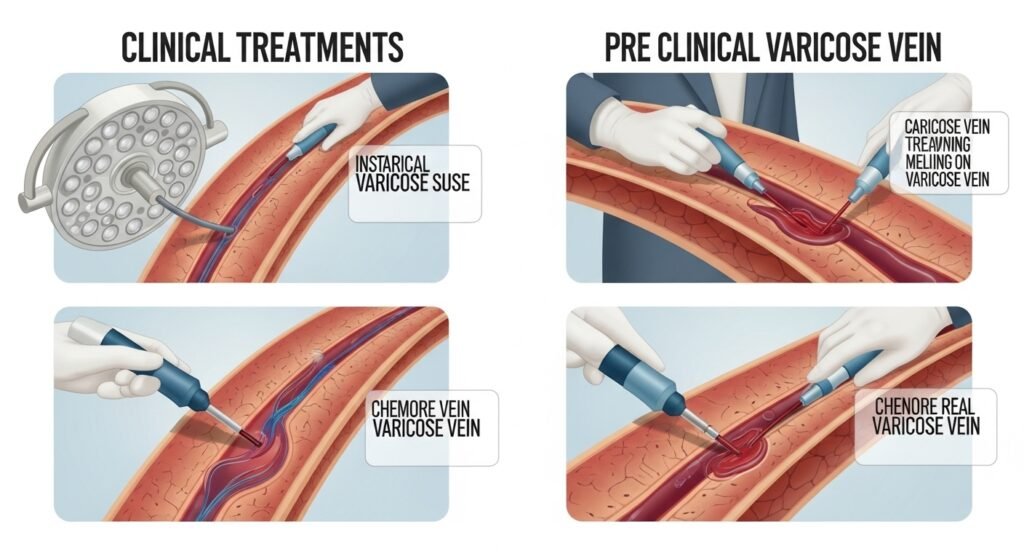
When intervention is appropriate, modern options include: endovenous thermal ablation (laser or radiofrequency catheter treatment that closes the diseased great saphenous vein — the most common procedure), sclerotherapy (chemical injection that destroys smaller varicose veins), and VenaSeal (medical adhesive sealing the vein). These outpatient procedures performed under local anesthesia have largely replaced traditional surgical vein stripping.
Conclusion
Varicose veins are not just a cosmetic nuisance — they represent venous disease that can progress to serious complications if untreated. Modern minimally invasive treatments are safe, effective, and performed in clinic settings with minimal downtime. If varicose veins are causing symptoms, seek evaluation from a vein specialist or vascular surgeon.
FAQs – Varicose Veins
Q1. Are varicose veins dangerous?
A: For most people, varicose veins are uncomfortable rather than dangerous. Complications including blood clots, skin ulcers, and bleeding can occur in severe cases. Seek urgent evaluation for sudden painful hardening of a varicose vein (superficial thrombophlebitis) or bleeding from a varicose vein.
Q2. Can varicose veins come back after treatment?
A: New varicose veins can develop after treatment, as the underlying tendency toward venous valve dysfunction persists. Approximately 20–30% of patients develop new varicosities within 5–10 years, though the treated veins themselves do not typically recur.
Q3. Does insurance cover varicose vein treatment?
A: Insurance typically covers treatment for varicose veins causing symptoms or complications. Treatment for purely cosmetic concerns (spider veins) is generally not covered. Prior authorization documenting conservative treatment failure is typically required.
Q4. What is the difference between varicose veins and spider veins?
A: Spider veins are smaller, flatter, and more superficial than varicose veins — they form web-like patterns close to the skin surface. Varicose veins are larger and may bulge beneath the skin. Both result from venous valve dysfunction but have different cosmetic and symptom profiles.
Q5. Can pregnancy cause varicose veins?
A: Yes. Pregnancy increases venous pressure in the legs through increased blood volume, uterine compression of pelvic veins, and hormonal changes that weaken vein walls. Varicose veins appearing during pregnancy often improve after delivery but may not resolve completely.