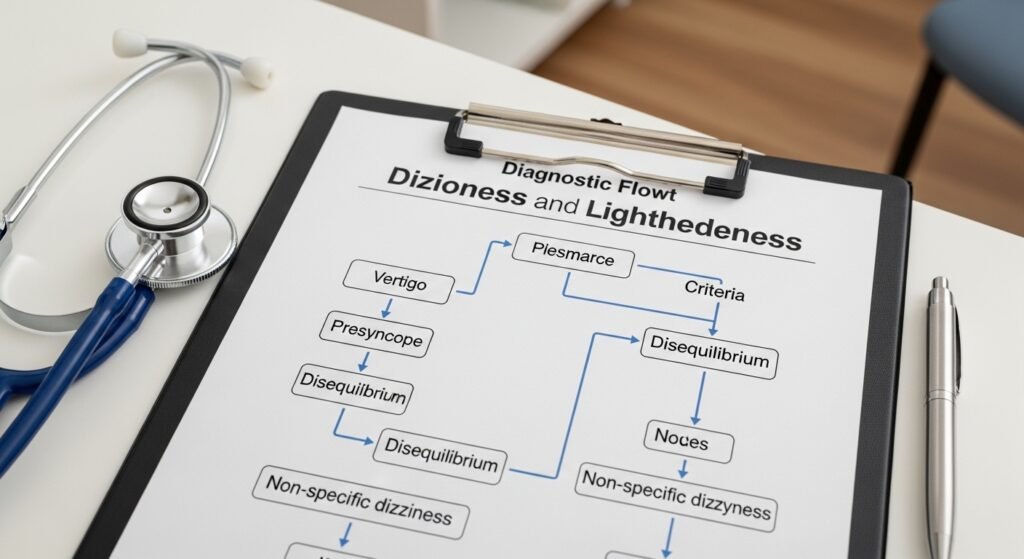
Dizziness is one of the most common complaints in primary care — affecting 30% of people over 65 and accounting for millions of clinic visits annually. The word “dizziness” actually encompasses four different symptoms with very different causes and clinical implications: vertigo (false sense of spinning), presyncope (sensation of about-to-faint), disequilibrium (imbalance or unsteadiness), and lightheadedness (vague floating sensation). Clinical history that clarifies which type of dizziness the patient is experiencing is the most important step in efficient evaluation. This guide explains how clinics differentiate and manage dizziness.
Type 1: Vertigo
The illusion of spinning or environmental rotation — the patient or surroundings appear to be rotating. Most commonly caused by inner ear disorders: BPPV (benign paroxysmal positional vertigo — triggered by position changes, treated with Epley maneuver), vestibular neuritis (following viral illness, treated with vestibular rehabilitation), and Ménière’s disease (recurrent vertigo with tinnitus and hearing loss). Central vertigo (brainstem or cerebellum) is less common but requires neurological evaluation for stroke or tumor.
Type 2: Presyncope
Sensation of impending faint or blackout — typically from reduced cerebral perfusion. Causes include orthostatic hypotension (blood pressure drop with standing), vasovagal syncope (reflex drop in BP and heart rate from triggers like pain or prolonged standing), cardiac arrhythmias, and significant blood loss. Orthostatic blood pressure measurement (BP lying and then after standing 1 and 3 minutes) is the key clinic maneuver.
Type 3: Disequilibrium
Imbalance and unsteadiness without the spinning quality of vertigo — typically from multiple age-related deficits (impaired proprioception, reduced visual acuity, vestibular dysfunction, muscle weakness, medication effects) acting in combination. Assessment includes the Timed Up and Go test, Romberg test, and gait evaluation. Treatment addresses contributing factors and uses physical therapy for balance rehabilitation.
Type 4: Psychophysiological Lightheadedness
Non-specific floating sensation often associated with anxiety, hyperventilation, depression, or functional vestibular disorder (PPPD — persistent postural-perceptual dizziness). Careful history eliciting anxiety symptoms, situational triggers, and the non-spinning quality distinguishes this from other categories.
Conclusion
Efficient dizziness evaluation begins with type classification through careful history. A patient who describes spinning is evaluated completely differently from a patient who describes near-fainting. Once the dizziness type is established, targeted physical examination and selective testing identify the specific cause within that category, guiding appropriate treatment.
FAQs – Dizziness
Q1. Is dizziness always serious?
A: Most dizziness in outpatient clinics has benign causes — BPPV, orthostatic hypotension, anxiety. The minority of dizziness cases reflecting serious underlying conditions (stroke, cardiac arrhythmia, acoustic neuroma) are identified through the red flags: acute onset, neurological symptoms, new severe headache, hearing loss, cardiovascular symptoms, and age over 65 with new dizziness.
Q2. What medications cause dizziness?
A: Many medications contribute to dizziness — antihypertensives (causing orthostatic hypotension), sedatives, antiepileptics, antibiotics (particularly aminoglycosides causing vestibular toxicity), and diuretics are common culprits. Medication review is an essential part of dizziness evaluation in older adults who typically take multiple medications.
Q3. Can low blood sugar cause dizziness?
A: Yes. Hypoglycemia (low blood sugar) causes lightheadedness, sweating, palpitations, and confusion — particularly in diabetic patients on insulin or sulfonylureas. Any diabetic patient with dizziness should have blood glucose checked promptly.
Q4. What is orthostatic hypotension?
A: A drop in systolic blood pressure of 20 mmHg or more (or diastolic 10 mmHg or more) within 3 minutes of standing. This drop reduces cerebral perfusion, causing presyncope on standing — typically improving after a few seconds to minutes as compensatory mechanisms restore blood pressure. Dehydration, medications, and autonomic neuropathy (diabetes, Parkinson’s disease) are common causes.
Q5. Should I avoid driving if I have dizziness?
A: Yes — until your dizziness is evaluated and controlled. Dizziness can impair your ability to safely operate a vehicle. Discuss driving safety with your clinician once a specific cause is identified — many causes are rapidly treatable, allowing safe return to driving.