Comprehensive family medical services provide complete healthcare for all age groups under one roof, including preventive care, diagnosis, treatment, and long-term wellness support in a patient-friendly way.
In India, healthcare is often the first thing families think about only when someone falls sick. But today, things are changing. More and more people are looking for comprehensive family medical services, where one clinic or hospital takes care of the health needs of every family member—from a newborn baby to grandparents.
Think about this simple situation. A mother has fever, her child has a cold, and the grandfather needs regular blood pressure check-ups. Instead of going to three different doctors in three different places, a family medical service center can handle all of this under one roof. Easy, right?
That’s the real value of modern family healthcare.
What Are Comprehensive Family Medical Services?
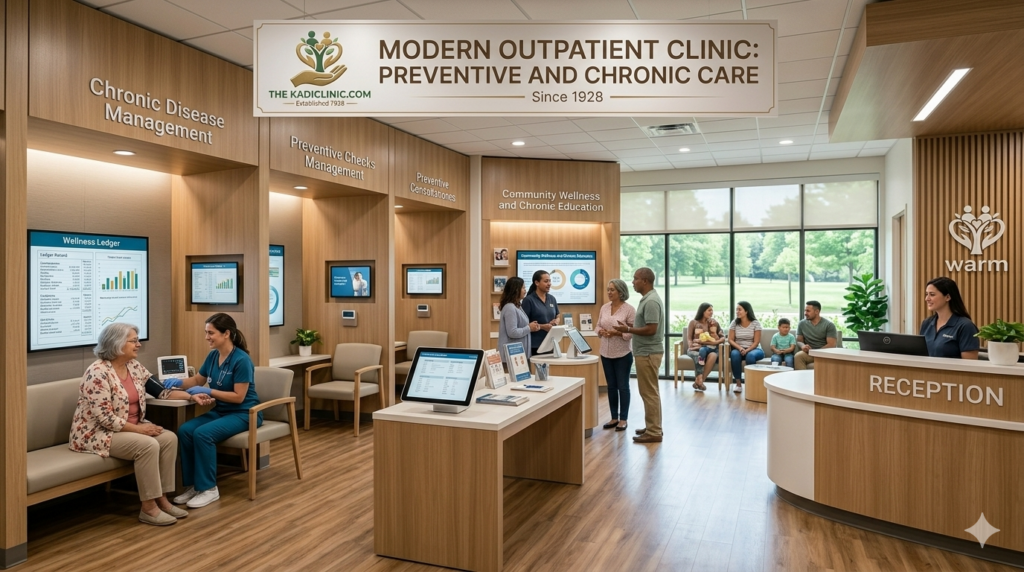
Comprehensive family medical services mean complete healthcare for all age groups in one place. It includes:
- General physician consultations
- Child healthcare (pediatrics)
- Women’s health services
- Elderly care
- Vaccinations and immunizations
- Preventive health check-ups
- Minor treatments and first aid
- Chronic disease management (diabetes, BP, asthma, etc.)
The goal is simple: continuous and complete care for the whole family, not just treatment when someone is sick.
Why Are These Services Important?
In today’s busy lifestyle, people don’t have time to visit multiple hospitals or wait in long queues. Family medical services solve this problem.
Here’s why they matter:
1. One Place for All Health Needs
Instead of running around different clinics, everything is available in one center.
2. Better Medical History Tracking
Doctors understand your family’s health history, which helps in better diagnosis.
3. Saves Time and Money
Regular check-ups and early diagnosis reduce expensive treatments later.
4. Continuous Care
From childhood to old age, the same healthcare system supports you.
Real-Life Example
Let’s take an example of the Sharma family in Ahmedabad.
- Mr. Sharma has diabetes and needs monthly check-ups
- His wife suffers from thyroid issues
- Their 7-year-old daughter frequently gets seasonal cold
- His mother needs BP monitoring and joint pain treatment
Earlier, they visited 4 different clinics. It was time-consuming and stressful.
Now, they visit a family medical service center, where all doctors coordinate together. Their reports are shared digitally, and treatment is planned as a team.
Result? Less stress, better health, and more peace of mind.
Key Features of Comprehensive Family Medical Services
A good family healthcare center usually provides:
1. Preventive Healthcare
Regular health check-ups, lifestyle counseling, and disease prevention.
2. Pediatric Care
Vaccination, growth monitoring, and child illness treatment.
3. Women’s Health Services
Pregnancy care, gynecology consultations, and wellness support.
4. Elderly Care
Focus on arthritis, diabetes, heart health, and mobility issues.
5. Emergency Care
Quick first aid and minor emergency treatment.
6. Digital Health Records
Easy access to reports and medical history.
Benefits for Indian Families
In India, joint families and close-knit households are still common. So, family medical services are very useful.
Some key benefits include:
- Easy access to doctors nearby
- Affordable healthcare packages
- Preventive care reduces hospital visits
- Better awareness of lifestyle diseases
- Trust and comfort with familiar doctors
For example, a working couple in Mumbai or Delhi can easily schedule evening or weekend check-ups for their kids and parents in one visit.
The Role of Preventive Healthcare
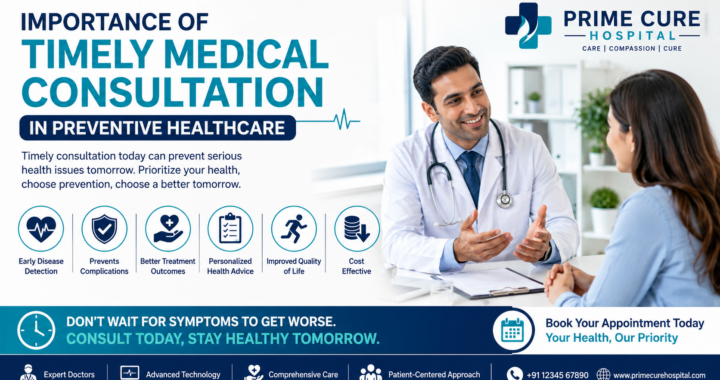
Preventive care is the backbone of family medical services.
Instead of waiting for diseases to become serious, doctors focus on:
- Regular blood tests
- Diet and lifestyle advice
- Early detection of diseases
- Vaccination programs
- Stress management guidance
According to global health guidance, primary and preventive care improves overall health outcomes and reduces long-term healthcare costs .
Challenges in India
Even though the system is improving, there are still some challenges:
- Lack of awareness in rural areas
- Limited access to advanced family clinics
- Overcrowded hospitals in cities
- Misunderstanding of preventive care importance
But gradually, with better healthcare infrastructure and awareness, family medical services are growing in India.
How to Choose a Good Family Medical Service Center
When selecting a healthcare provider, check:
- Qualified and experienced doctors
- Availability of multiple specialties
- Clean and hygienic environment
- Emergency support
- Good patient reviews
- Affordable consultation packages
A good center should make you feel comfortable, not confused.
Conclusion
Comprehensive family medical services are not just about treating illness—they are about building long-term health for the entire family. In a fast-moving country like India, where lifestyle diseases are increasing, having one trusted healthcare system for all age groups is a big advantage.
Whether it’s a child’s fever, a parent’s BP check, or an elderly person’s joint pain, everything can be managed smoothly in one place. It saves time, reduces stress, and improves quality of life.
In simple words, it brings “whole family care under one roof.”
FAQs
1. What is meant by family medical services?
It refers to healthcare services that provide treatment and care for all family members, from children to elderly, in one place.
2. Are family medical services expensive in India?
Not necessarily. Many clinics offer affordable packages and preventive care plans.
3. Do family medical centers treat children and elderly both?
Yes, they provide pediatric as well as geriatric care.
4. Why is preventive healthcare important?
It helps detect diseases early and reduces long-term medical costs.
5. Can I get emergency treatment in a family clinic?
Yes, most comprehensive centers provide basic emergency and first-aid care.