Discover why skilled medical teams are the backbone of quality healthcare. Learn how expertise, teamwork, and communication improve patient outcomes and overall hospital performance.
In today’s rapidly evolving healthcare landscape, advanced technology and modern infrastructure often take center stage. However, the true strength of any healthcare facility lies not in its machines, but in its people. Skilled medical teams—comprising doctors, nurses, technicians, and support staff—play a critical role in delivering effective, safe, and compassionate care.
A well-trained and coordinated medical team ensures that patients receive accurate diagnoses, timely treatments, and continuous support throughout their healthcare journey. This article explores the importance of skilled medical teams and how they directly impact patient outcomes, hospital efficiency, and overall healthcare quality.
What Defines a Skilled Medical Team?
A skilled medical team is more than just a group of qualified professionals. It is a coordinated unit of individuals who bring expertise, experience, and collaboration to patient care.
Key characteristics include:
- Clinical Expertise: Deep knowledge in their respective medical fields
- Effective Communication: Clear and accurate exchange of information
- Team Coordination: Ability to work seamlessly across departments
- Decision-Making Skills: Quick and accurate judgment in critical situations
- Compassion and Empathy: Patient-centered approach to care
These elements combine to create a healthcare environment where patients feel safe, understood, and well cared for.
Enhancing Patient Safety and Outcomes
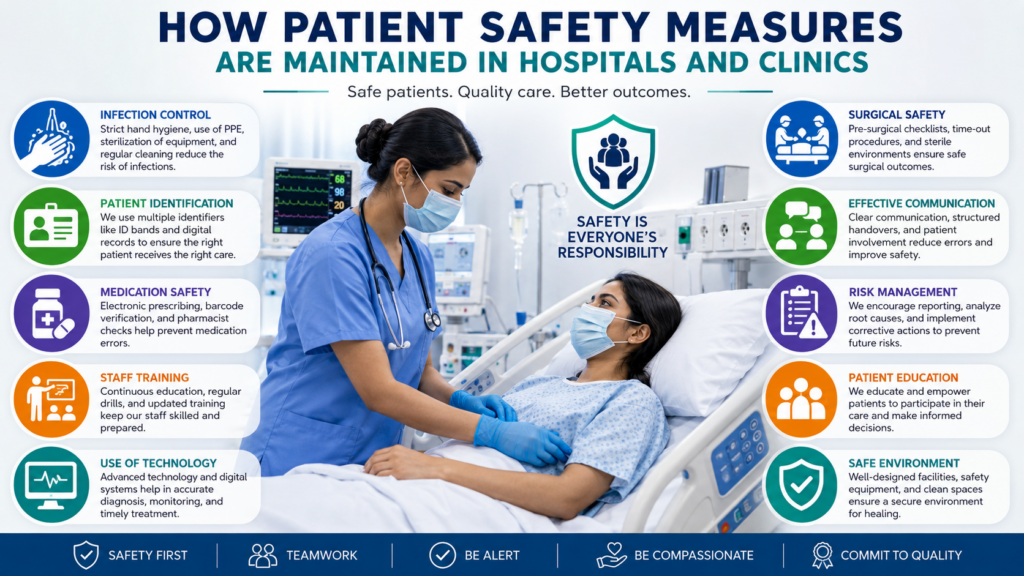
One of the most important roles of skilled medical teams is ensuring patient safety. Medical errors can have serious consequences, but a well-trained team significantly reduces these risks.
How skilled teams improve safety:
- Accurate diagnosis through collective expertise
- Proper medication administration and monitoring
- Early detection of complications
- Adherence to clinical protocols and guidelines
When professionals collaborate effectively, they can catch potential issues early and provide timely interventions, ultimately improving recovery rates and reducing hospital stays.
The Role of Teamwork in Healthcare
Healthcare is a team effort. No single professional can handle every aspect of patient care. From admission to discharge, multiple specialists are involved.
Examples of teamwork in action:
- Doctors diagnosing and planning treatment
- Nurses monitoring patient conditions and administering care
- Lab technicians providing accurate test results
- Pharmacists ensuring correct medication use
When these roles are aligned, patients receive holistic care that addresses all aspects of their health.
Importance of Communication in Medical Teams
Clear communication is the backbone of effective healthcare delivery. Miscommunication can lead to delays, incorrect treatments, or even life-threatening errors.
Benefits of strong communication:
- Reduces misunderstandings among staff
- Ensures continuity of care across shifts
- Improves patient satisfaction and trust
- Enables quick response during emergencies
Modern healthcare facilities often use digital tools and electronic health records to enhance communication, but the human element remains irreplaceable.
Handling Emergencies with Expertise
In emergency situations, every second counts. Skilled medical teams are trained to act quickly and efficiently under pressure.
Key advantages in emergencies:
- Rapid assessment and diagnosis
- Immediate life-saving interventions
- Coordination among emergency staff
- Ability to remain calm and focused
Whether it’s a cardiac arrest, trauma case, or sudden complication, a competent team can mean the difference between life and death.
Continuous Learning and Training
Healthcare is constantly evolving, with new treatments, technologies, and research emerging regularly. Skilled medical teams stay updated through continuous learning.
Methods of ongoing training:
- Medical workshops and seminars
- Certification programs
- Simulation-based training
- Peer learning and case discussions
This commitment to learning ensures that patients receive the most up-to-date and effective treatments available.
Building Patient Trust and Confidence
Patients place immense trust in healthcare providers. A skilled and professional team helps build this trust.
How teams build confidence:
- Providing clear explanations of conditions and treatments
- Demonstrating professionalism and empathy
- Maintaining transparency in care processes
- Offering emotional support to patients and families
When patients feel confident in their medical team, they are more likely to follow treatment plans and achieve better outcomes.
Improving Efficiency in Healthcare Facilities
Efficient operations are essential for any healthcare facility. Skilled teams contribute to smoother workflows and better resource management.
Efficiency benefits include:
- Reduced waiting times for patients
- Faster diagnosis and treatment processes
- Better coordination between departments
- Optimal use of medical equipment and resources
This not only improves patient satisfaction but also enhances the overall reputation of the facility.
The Role of Leadership in Medical Teams
Strong leadership is crucial for maintaining a high-performing medical team. Leaders guide, motivate, and ensure accountability.
Qualities of effective healthcare leaders:
- Clear vision and direction
- Strong decision-making abilities
- Ability to manage conflicts
- Encouraging teamwork and collaboration
Good leadership fosters a positive work environment, which directly impacts patient care quality.
Emotional and Psychological Support
Healthcare is not just about physical treatment. Emotional and psychological well-being are equally important.
Skilled medical teams:
- Provide reassurance to anxious patients
- Support families during difficult times
- Recognize mental health concerns
- Create a compassionate care environment
This holistic approach improves overall patient experience and recovery.
Challenges Faced by Medical Teams
Despite their importance, medical teams face several challenges:
- High workload and long working hours
- Emotional stress and burnout
- Resource limitations in some facilities
- Managing complex and critical cases
Addressing these challenges through proper support systems, staffing, and mental health resources is essential for maintaining team performance.
The Future of Medical Teams in Healthcare
The future of healthcare will continue to rely heavily on skilled medical teams, supported by technology.
Emerging trends include:
- Integration of artificial intelligence in diagnosis
- Telemedicine and remote patient monitoring
- Advanced training using virtual reality
- Increased focus on multidisciplinary care
While technology will enhance capabilities, the human expertise and compassion of medical teams will remain irreplaceable.
Conclusion
Skilled medical teams are the foundation of effective healthcare systems. Their expertise, coordination, and dedication ensure that patients receive high-quality, safe, and compassionate care. From improving patient outcomes to enhancing hospital efficiency, their impact is profound and far-reaching.
Investing in training, supporting healthcare professionals, and fostering teamwork are essential steps toward building stronger healthcare facilities. In the end, it is the people behind the system who truly make a difference in saving lives and improving health.
FAQs
1. Why are skilled medical teams important in healthcare?
Skilled medical teams ensure accurate diagnosis, effective treatment, and patient safety, leading to better health outcomes.
2. What roles are included in a medical team?
A medical team typically includes doctors, nurses, technicians, pharmacists, and support staff working together to provide comprehensive care.
3. How does teamwork improve patient care?
Teamwork allows different specialists to collaborate, ensuring all aspects of a patient’s health are addressed efficiently.
4. What is the role of communication in healthcare teams?
Effective communication reduces errors, ensures continuity of care, and improves overall patient satisfaction.
5. How can healthcare facilities improve their medical teams?
By investing in training, promoting teamwork, providing adequate resources, and supporting staff well-being.