Diabetes affects over 37 million Americans, and another 96 million have prediabetes — a condition of elevated blood sugar that significantly increases the risk of Type 2 diabetes and cardiovascular disease. The majority of people with prediabetes are undiagnosed. Medical clinics are the primary site of diabetes and prediabetes diagnosis through systematic screening of at-risk populations. This guide explains the diagnostic tests used for diabetes and prediabetes and the clinical criteria for each diagnosis.
Diagnostic Tests
HbA1c (Glycated Hemoglobin)
The HbA1c test measures average blood glucose over the previous 2–3 months by quantifying the percentage of hemoglobin molecules with attached glucose. Normal: below 5.7%. Prediabetes: 5.7–6.4%. Diabetes: 6.5% or higher on two separate tests. HbA1c does not require fasting and is convenient for outpatient testing. Some conditions (hemolytic anemia, hemoglobin variants) can affect HbA1c accuracy — alternative tests are used when this is a concern.
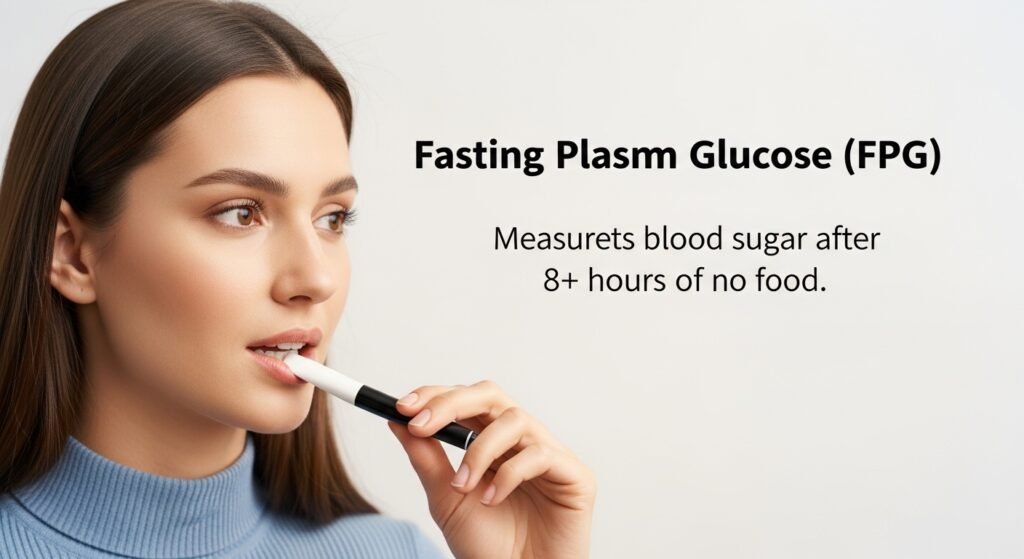
Fasting Plasma Glucose (FPG)
Blood glucose measured after an 8-hour fast. Normal: below 100 mg/dL. Prediabetes: 100–125 mg/dL (impaired fasting glucose). Diabetes: 126 mg/dL or higher (confirmed on repeat testing).
2-Hour Oral Glucose Tolerance Test (OGTT)
Blood glucose measured 2 hours after ingesting 75g of glucose solution. More sensitive than FPG for detecting impaired glucose tolerance. Normal: below 140 mg/dL. Prediabetes: 140–199 mg/dL. Diabetes: 200 mg/dL or higher. Used in gestational diabetes screening and evaluation of patients at high prediabetes risk whose FPG and HbA1c are borderline.
Who Should Be Screened
USPSTF recommends diabetes screening for all adults ages 35–70 who are overweight or obese. Earlier screening is appropriate for patients with risk factors: family history of diabetes, prior gestational diabetes, prediabetes, hypertension, dyslipidemia, PCOS, and certain high-risk ethnicities.
Conclusion
Prediabetes is reversible with lifestyle intervention — clinical programs achieving 5–7% weight loss through dietary change and physical activity reduce Type 2 diabetes development by 58%. But reversal requires knowing the diagnosis. If you are in the at-risk age range or have diabetes risk factors, ask your clinic about screening at your next visit.
FAQs – Diabetes Testing
Q1. Can I have diabetes without knowing it?
A: Yes. Type 2 diabetes develops gradually and produces no symptoms in its early stages. Fatigue, excessive thirst, frequent urination, blurred vision, and slow wound healing are symptoms of established diabetes. Most new diagnoses are detected through routine screening, not symptoms.
Q2. Can prediabetes go away?
A: Yes. Prediabetes is reversible — not a guaranteed path to diabetes. Losing 5–7% of body weight, exercising 150 minutes per week, and improving dietary patterns can normalize blood sugar levels. The National Diabetes Prevention Program (DPP) provides a structured evidence-based lifestyle intervention.
Q3. How accurate is HbA1c?
A: HbA1c is highly accurate for diagnosing diabetes and monitoring blood sugar control in most patients. Results can be falsely low in conditions affecting red blood cell lifespan (hemolytic anemia, recent blood loss, certain hemoglobin variants). In these situations, fasting glucose or OGTT is more reliable.
Q4. Does gestational diabetes mean I will develop Type 2 diabetes?
A: Gestational diabetes significantly increases the risk of developing Type 2 diabetes later in life — up to 50% of women with GDM develop T2D within 10 years. Post-partum OGTT at 6–12 weeks and regular subsequent screening are essential follow-up steps.
Q5. Should I test my blood sugar at home if I have prediabetes?
A: Home blood glucose monitoring provides limited additional value for prediabetes management compared to periodic clinic testing. Focus on lifestyle modification rather than daily glucose tracking — your clinic will monitor your response through periodic HbA1c testing.