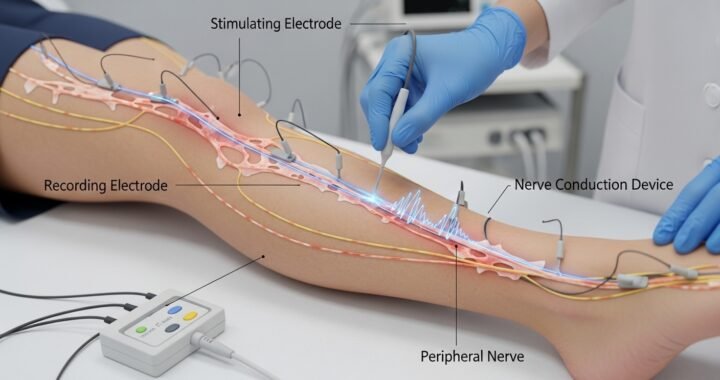
Neurology is the medical specialty dedicated to the diagnosis and treatment of disorders affecting the brain, spinal cord, peripheral nerves, and muscles. Neurological clinics evaluate and manage conditions that range from common (migraine, epilepsy, carpal tunnel syndrome) to devastating (stroke, Parkinson’s disease, ALS, multiple sclerosis). The complexity of the nervous system demands specialized expertise — neurologists spend years beyond medical school mastering the neurological examination and the interpretation of brain imaging, nerve conduction studies, and cerebrospinal fluid analysis. This guide explains what neurological clinics treat and when to seek neurological care.
Common Conditions Treated
- Epilepsy and seizure disorders
- Stroke and TIA (transient ischemic attack)
- Migraine and other headache disorders
- Multiple sclerosis (MS)
- Parkinson’s disease and movement disorders
- Dementia (Alzheimer’s and other types)
- Peripheral neuropathy
- Carpal tunnel syndrome and other compression neuropathies
- Myasthenia gravis
- ALS (amyotrophic lateral sclerosis)
- Brain and spinal cord tumors (in coordination with neurosurgery)
Diagnostic Tools
Neurologists use a unique set of diagnostic tools: MRI and CT imaging of the brain and spine, electroencephalogram (EEG) for seizure diagnosis, nerve conduction studies and electromyography (EMG) for peripheral nerve and muscle disorders, lumbar puncture for cerebrospinal fluid analysis, and neuropsychological testing for cognitive disorders. The meticulous neurological examination itself remains the neurologist’s most fundamental diagnostic instrument.
When to Seek Neurological Care
Seek neurological evaluation for new or worsening headaches, seizures, sudden weakness or numbness, coordination problems, vision changes, memory or cognitive decline, tremor, speech difficulties, and symptoms suggesting a neurological condition that primary care cannot adequately diagnose or manage.
Conclusion
Neurological clinics provide the specialized expertise required for conditions affecting the most complex organ system in the human body. Early neurological evaluation matters enormously for many conditions where earlier diagnosis and treatment meaningfully changes outcomes.
FAQs – Neurology Clinics
Q1. What happens at a first neurology appointment?
A: A detailed neurological history, comprehensive neurological examination (testing reflexes, coordination, strength, sensation, cranial nerves, cognitive function), and discussion of diagnostic tests indicated by the findings. Initial appointments typically last 60–90 minutes.
Q2. Can epilepsy be cured?
A: Approximately one-third of people with epilepsy achieve seizure freedom through medication alone. Another third have medication-controlled seizures. Surgical treatment (for appropriate candidates with focal, medication-resistant epilepsy) achieves seizure freedom in approximately 70% of selected patients.
Q3. What is the difference between a neurologist and a neurosurgeon?
A: Neurologists diagnose and manage neurological conditions medically. Neurosurgeons operate on the brain, spine, and peripheral nerves. Many conditions are managed by both — neurologists medically, neurosurgeons when intervention is required.
Q4. What does an EEG measure?
A: An EEG (electroencephalogram) records the brain’s electrical activity through electrodes placed on the scalp. It is the primary test for diagnosing epilepsy and seizure disorders and is also used to assess brain function in certain other neurological conditions.
Q5. Is memory loss always a sign of dementia?
A: No. Memory difficulties have many causes including depression, anxiety, sleep disorders, medication side effects, thyroid dysfunction, vitamin deficiencies, and stress. When memory changes are progressive and affect daily functioning, neurological evaluation including cognitive testing and imaging is warranted to determine the cause.